Every so often a photograph appears that perfectly illustrates
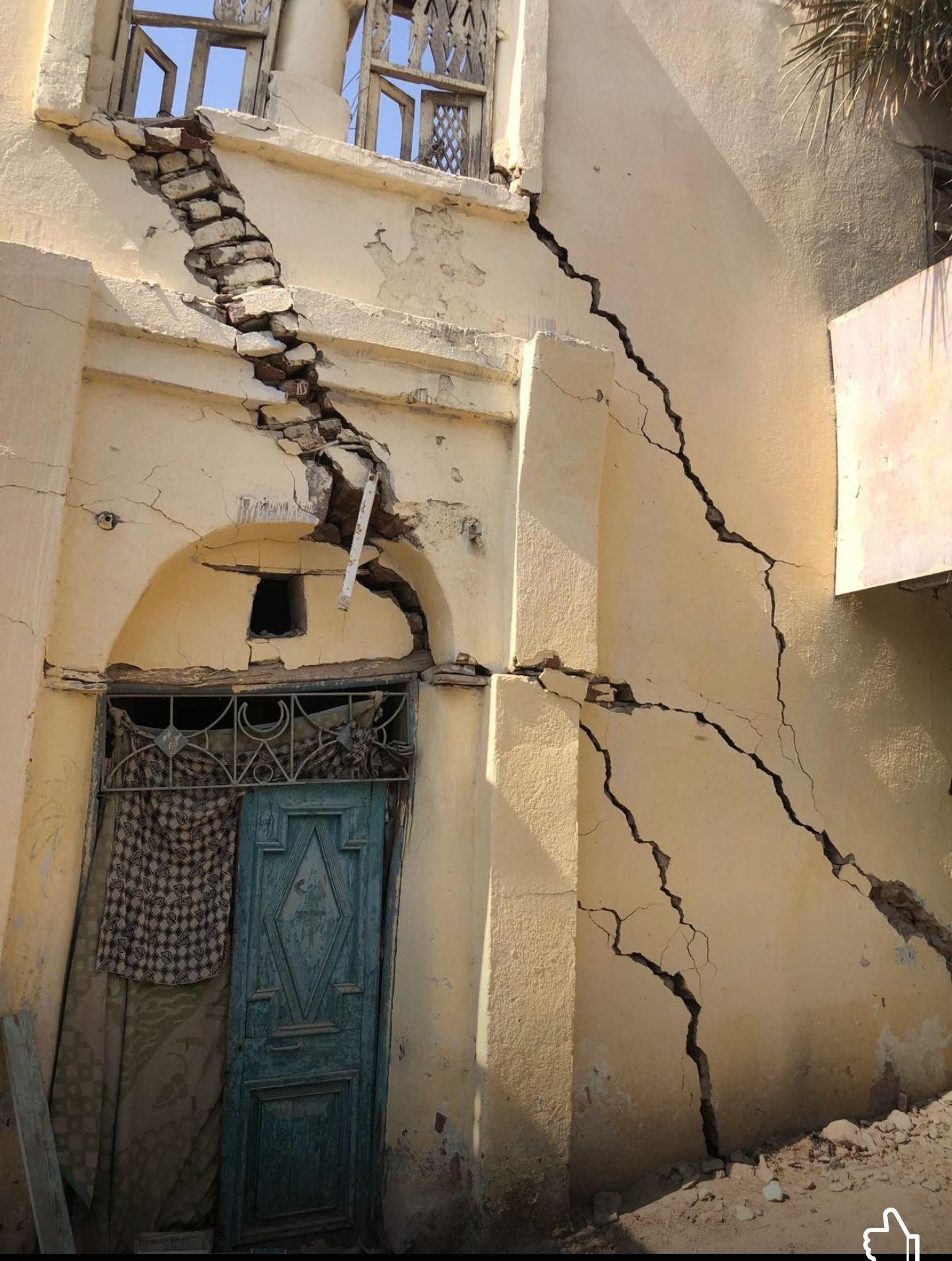
serious structural movement in a property. The image above is a dramatic reminder of why a
professional building survey is so important when a home or building begins to show early signs of distress.
At first glance the damage looks chaotic, but it actually tells a very clear story — one familiar to anyone dealing with
foundation problems,
subsidence, or
structural defects.
1. Diagonal Cracks = Significant Structural Movement
Deep, wide cracks running from ground level through the first floor are a classic sign of
subsidence,
failed foundations, or
differential settlement. This isn’t decorative cracking; it’s the building physically pulling apart.
2. Masonry Displacement
Bricks shifting out of alignment indicate a major
structural failure. When the wall loses its bond, the property’s stability is compromised, and urgent assessment by a
chartered building surveyor or structural engineer is essential.
3. Distorted Openings
The racked door frame and fractured arch are common symptoms seen in homes affected by
serious movement. Openings are weak points in any façade, and distortion here shows the load paths are no longer behaving as they should.
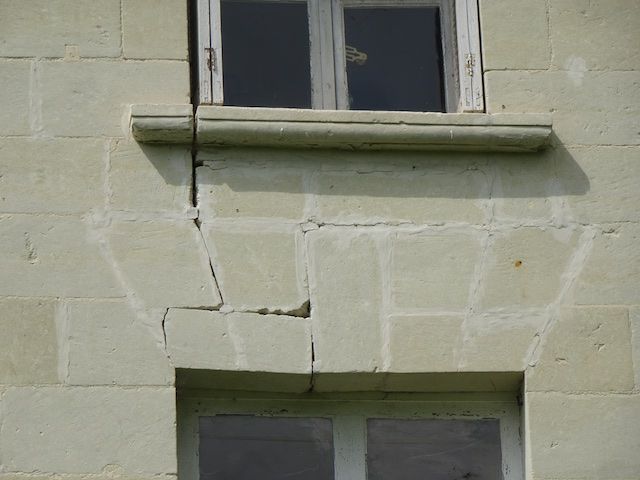
4. Failed Lintels and Shear Cracking
Cracks travelling through lintels and supporting piers suggest the
structural integrity of the building has been undermined. This is the sort of issue often highlighted in a
Level 3 Building Survey.
5. Evidence of Previous Repairs
Patch repairs that fail repeatedly usually mean the
underlying cause was never addressed. This is typical in older properties across the UK and France where cement-based repairs have been applied to traditional lime-built structures.
Why This Matters
Movement like this goes far beyond the minor settlement cracks most homeowners notice. In professional terms, this is
structural failure and would be treated as an
immediate safety concern.
It reinforces why homeowners purchasing property in the
UK or France should invest in a proper
RICS building survey, especially for period homes, stone cottages, or French rural properties where foundations can be shallow and vulnerable to movement.
Early Warning Signs to Watch For
Whether you own a modern house in Yorkshire or a traditional property in rural France, the early indicators of structural movement are often subtle:
- diagonal cracks near windows or doors
- sticking or misaligned doors
- sloping floors
- gaps between skirting boards and walls
- cracks that reappear after repair
If you spot these issues, seeking advice from a
RICS Chartered Building Surveyor can prevent small problems from escalating into expensive structural repairs.
Need Help Assessing a Property?
At MKN Surveyors we specialise in
building surveys in the UK and France, including heritage buildings, stone farmhouses, cottages, chalets and traditional village homes.
If you’re concerned about cracks, movement, damp, or any form of
building defect, we can help you understand the cause — and the best route to fix it.