Three Myths International Buyers Believe About Buying Property in France
Why a Survey may help
The body content of your post goes here. To edit this text, click on it and delete this default text and start typing your own or paste your own from a different source.
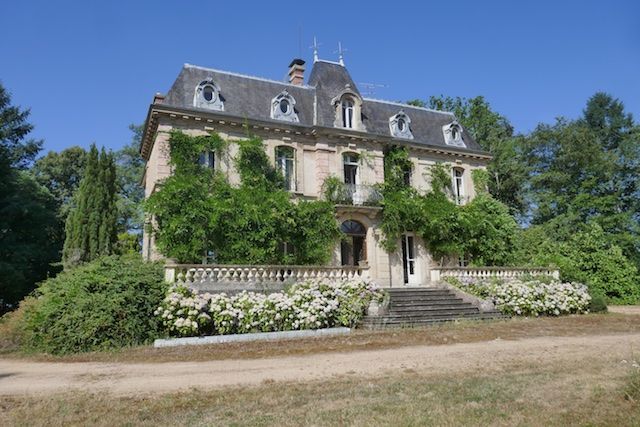
You have found the house. A stone farmhouse with blue shutters. A village house with a little courtyard. A ski chalet that looks solid from the outside. Or perhaps a château with outbuildings, land and just enough faded grandeur to make the project feel irresistible.
The agent has been helpful. The seller has provided the diagnostic reports. A notaire is involved. The photographs look convincing, and the price may seem very attractive compared with property back home.
So it is easy to think: “France must have a system for checking all of this.” It does — but not always in the way international buyers expect.
Whether you are buying from the UK, Ireland, the United States, Canada, Australia, South Africa, Singapore, the Netherlands or elsewhere, the French property process has its own logic. It is not necessarily better or worse than what you are used to. It is just different. The difficulty is that many buyers only discover those differences after they have already committed.
Having seen French purchases from both the estate agency and surveying side, these are the three myths we see most often.
Myth 1: The notaire is there to protect me personally
The notaire is one of the most misunderstood people in a French property purchase.
International buyers often assume the notaire is their lawyer, solicitor, conveyancer or buyer’s advocate. In reality, the notaire is a public official whose role is to oversee the legal transfer of the property, prepare or authenticate the deed, deal with formalities, collect taxes and ensure the sale is properly completed.
That role is important. A good notaire is not a formality. They are central to the French conveyancing process.
But they are not a building surveyor, and they are not there to inspect the property for you.
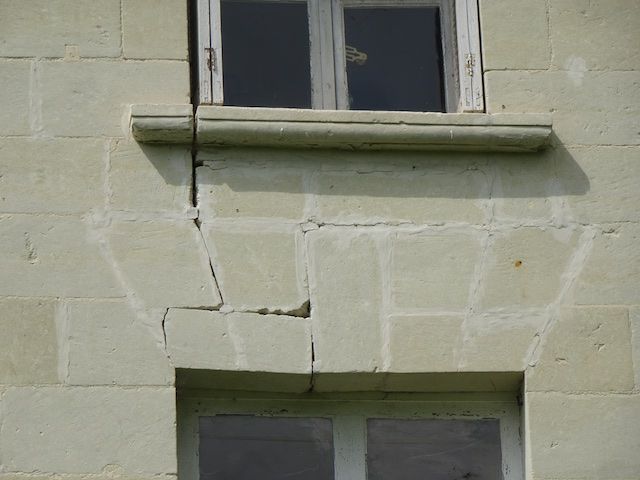
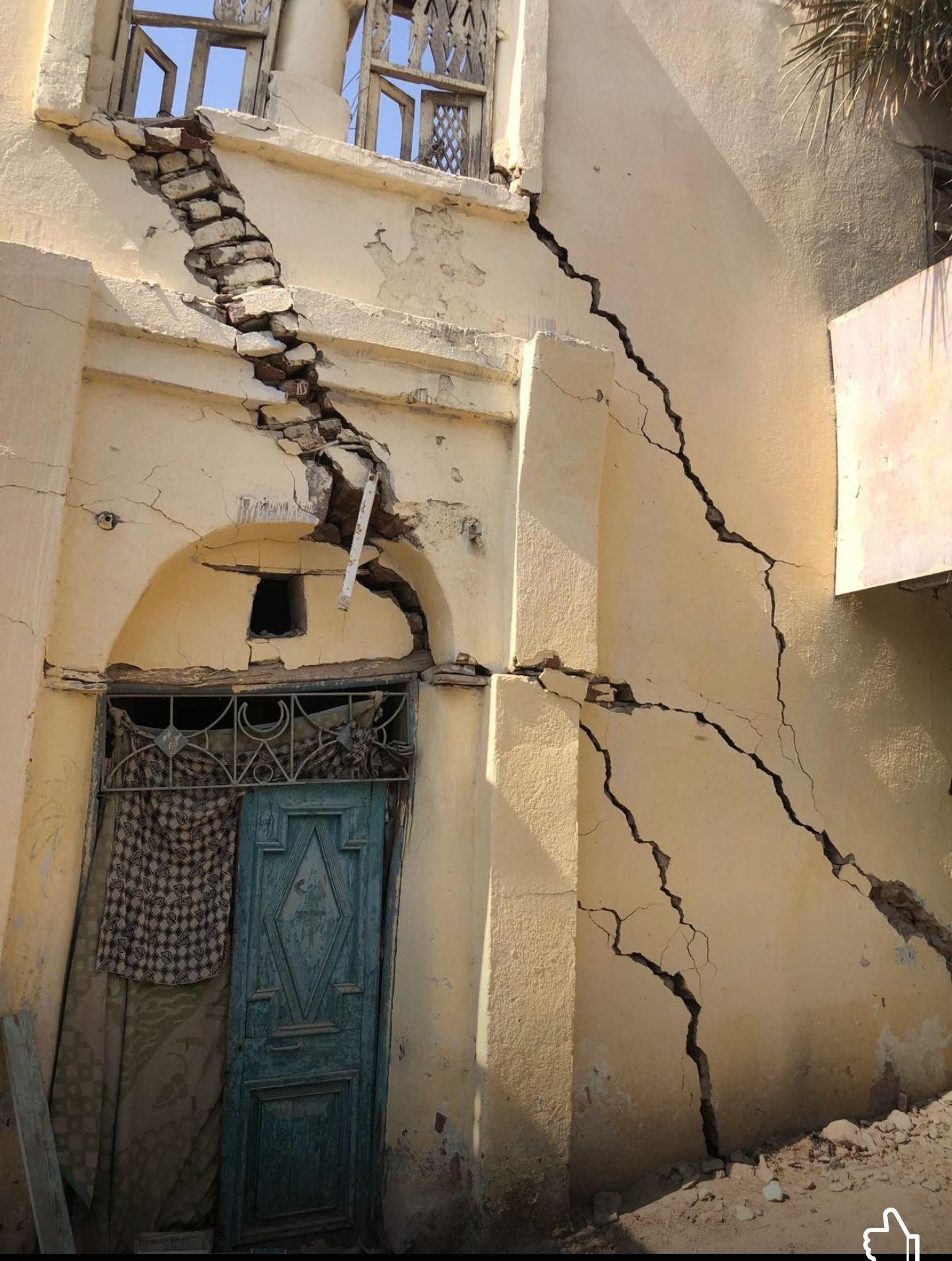
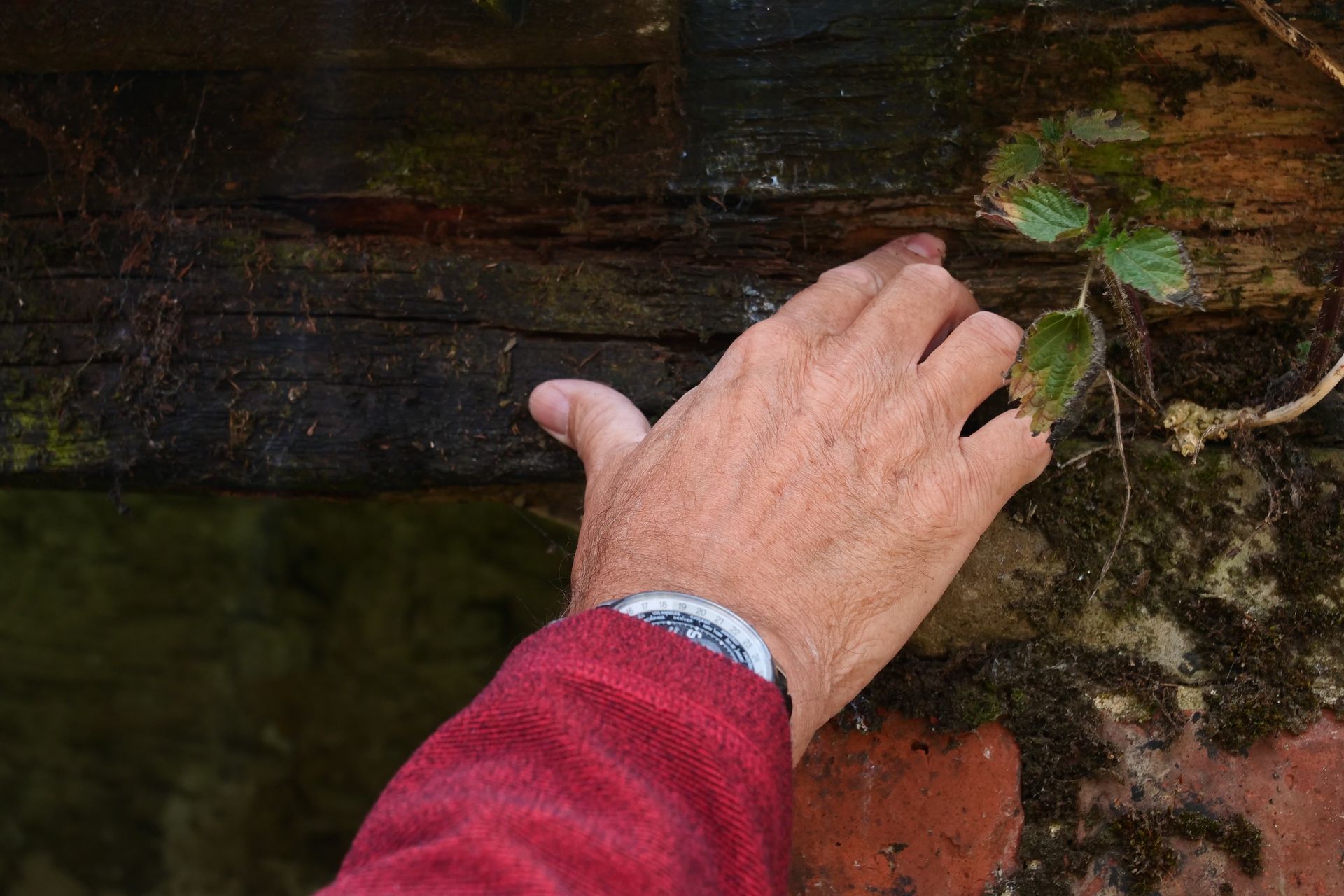
They will not climb into the roof space to check whether the roof timbers are failing. They will not assess whether cement render is trapping moisture inside old stone walls. They will not tell you whether a converted barn has adequate structural support, whether an old crack is historic or active, or whether a “renovated” farmhouse has simply been made to look tidy for sale.
It is also common in France for buyer and seller to use the same notaire, although the buyer and seller can each appoint their own notaire, with the notarial fees shared between them rather than simply doubled.
That does not mean the system is unsafe. It simply means you need to understand who is doing what.
If you want legal advice focused specifically on your interests, you should consider appointing your own independent legal adviser or your own notaire. If you want the building assessed, you need a building surveyor.
Those are different jobs.
Myth 2: The diagnostic reports are the same as a building survey
The Dossier de Diagnostic Technique can look reassuring, especially if you are not used to the French system. There may be reports on energy performance, asbestos, lead, termites, electrics, gas, drainage and risks affecting the property.
That sounds comprehensive.
But the diagnostics are not a building survey.
They are standardised reports carried out for specific legal purposes. They answer defined questions, such as whether asbestos-containing materials have been identified in certain circumstances, whether the electrical installation has specified safety issues, or whether the property has particular energy performance characteristics. For example, the asbestos diagnostic is intended to inform the buyer of the presence or absence of asbestos in properties where the building permit was issued before 1 July 1997; the presence of asbestos does not in itself prevent the sale.
That is useful information. We would never suggest ignoring the diagnostics.
But they do not tell you whether the building is structurally sound.
They do not provide a detailed assessment of the roof covering, roof structure, walls, floors, damp, drainage, historic movement, timber decay, poor alterations, defective repairs or future maintenance risk.
This distinction matters particularly with older French property.
A village house may have walls that look charming but are suffering from trapped moisture because they have been repointed with hard cement mortar. A farmhouse roof may look acceptable from the lane but have failing battens, insect-damaged timbers or a covering near the end of its life. A barn conversion may have been carried out without the sort of structural preparation the buyer assumes must have happened. A château may have layers of historic repairs, some good and some not, that need careful interpretation.
The diagnostic reports may flag useful safety, environmental or regulatory issues. A Level 3 building survey looks at the condition of the building itself.
Those are not the same thing.
Myth 3: I can sort out problems after signing the compromis de vente
This is the myth that can become expensive very quickly.
In many countries, buyers are used to making an offer, arranging an inspection or survey, and then renegotiating if major defects are found. That system varies from country to country, but the general idea is familiar: find the problem, then decide whether to proceed.
In France, the timing is different.
The compromis de vente is not just a casual reservation document. It is a preliminary contract, and once it is signed, the buyer is much more committed than many international buyers realise.
Private buyers of residential property generally have a 10-day cooling-off period after signing the compromis, during which they can withdraw without needing to give a reason. Notaires de France also explain that, where there is no preliminary contract, a 10-day reflection period applies from receipt of the draft deed, and the final deed cannot be signed during that period.
After that cooling-off period, withdrawing can become difficult unless the contract contains a relevant condition that allows you to do so. The usual deposit is often significant, and buyers can lose leverage once they have already signed.
This is where timing matters.
A survey carried out after the compromis may still be useful, but it may not give you the negotiating position you hoped for. If the survey finds a roof problem, drainage issue, structural concern or expensive hidden defect, the seller may not be willing to renegotiate. They may simply say that you signed at the agreed price.
That is why, wherever possible, the survey should be arranged before signing the compromis de vente.
Not because every defect should stop a purchase. Most older houses have defects. The point is to know what you are buying before you are legally and financially exposed.
Why these myths matter more with older French buildings
France has some wonderful property: farmhouses, maisons de maître, village houses, barns, mills, châteaux and mountain chalets. Many have stood for generations and can be excellent purchases.
But older buildings do not behave like modern houses.
Stone walls need to breathe. Roof structures may have been altered several times. Old render may hide more than it reveals. Drainage may be informal, inadequate or simply missing. Outbuildings may have been converted gradually over decades. Electrics may have been updated in parts but not as a coherent system. A property can be perfectly liveable and still have issues that are expensive to deal with later.
International buyers are often at a disadvantage because they are making decisions quickly, sometimes at a distance, often in a second language, and usually within a legal system they do not use every day.
That is not a reason to avoid buying in France. It is a reason to slow the process down at the right moment.
Before signing, make sure you understand the legal role of the notaire, the limits of the diagnostic reports, and the consequences of signing the compromis de vente before the building has been properly assessed.
Buying in France? Get the building checked before you commit
A beautiful French property can still be a very good purchase, even with defects. The real risk is not buying an imperfect building. The risk is buying one without understanding what those imperfections mean.
At MKN Surveyors, we provide Level 3 building surveys in English for international buyers purchasing property in France. We inspect older houses, farmhouses, village properties, châteaux, ski chalets and renovation projects, with particular attention to the issues that are often missed before purchase: roofs, damp, timber decay, drainage, historic repairs, structural movement, poor alterations and unsuitable materials.
If you are considering a property in France, arrange your survey before signing the compromis de vente. It gives you clearer information, stronger negotiating position and fewer surprises after completion.
For advice or to book a Level 3 building survey in English, contact MKN Surveyors before you commit to the purchase.