Looking at the Price Without Looking at the Service
The image above always makes me smile.
It shows a beautifully drawn horse at one end, gradually becoming a stick drawing by the time you reach the head.
The caption reads: "When your client asks if you can do it cheaper..."
It's amusing because we've all seen it happen. Reduce the time. Reduce the detail. Reduce the expertise. Eventually you're no longer comparing like with like. That applies just as much to property surveys.
A Survey Starts Long Before We Arrive
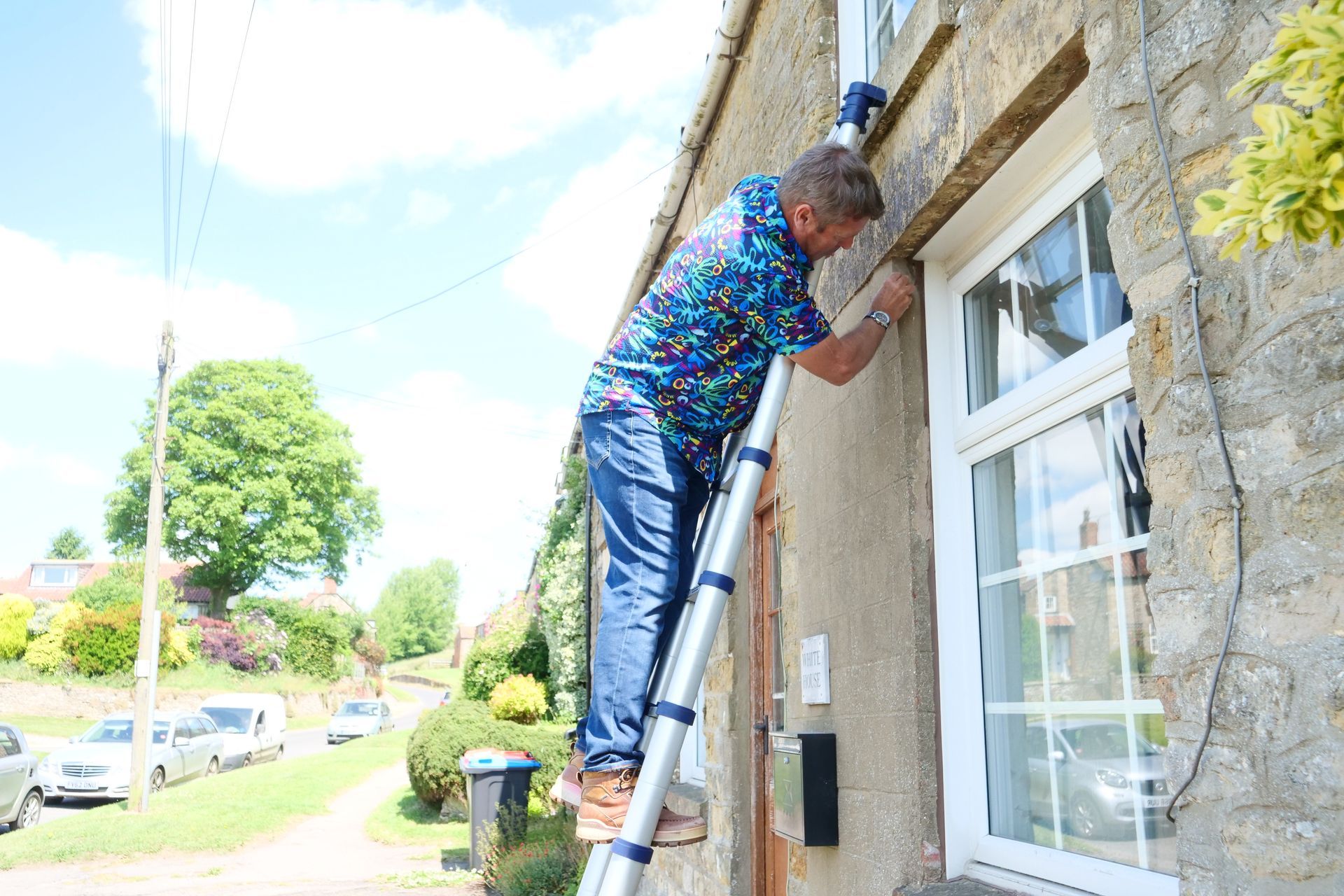
When most people think about a survey, they picture the few hours spent walking around the property. In reality, that's often the smallest part of the job.
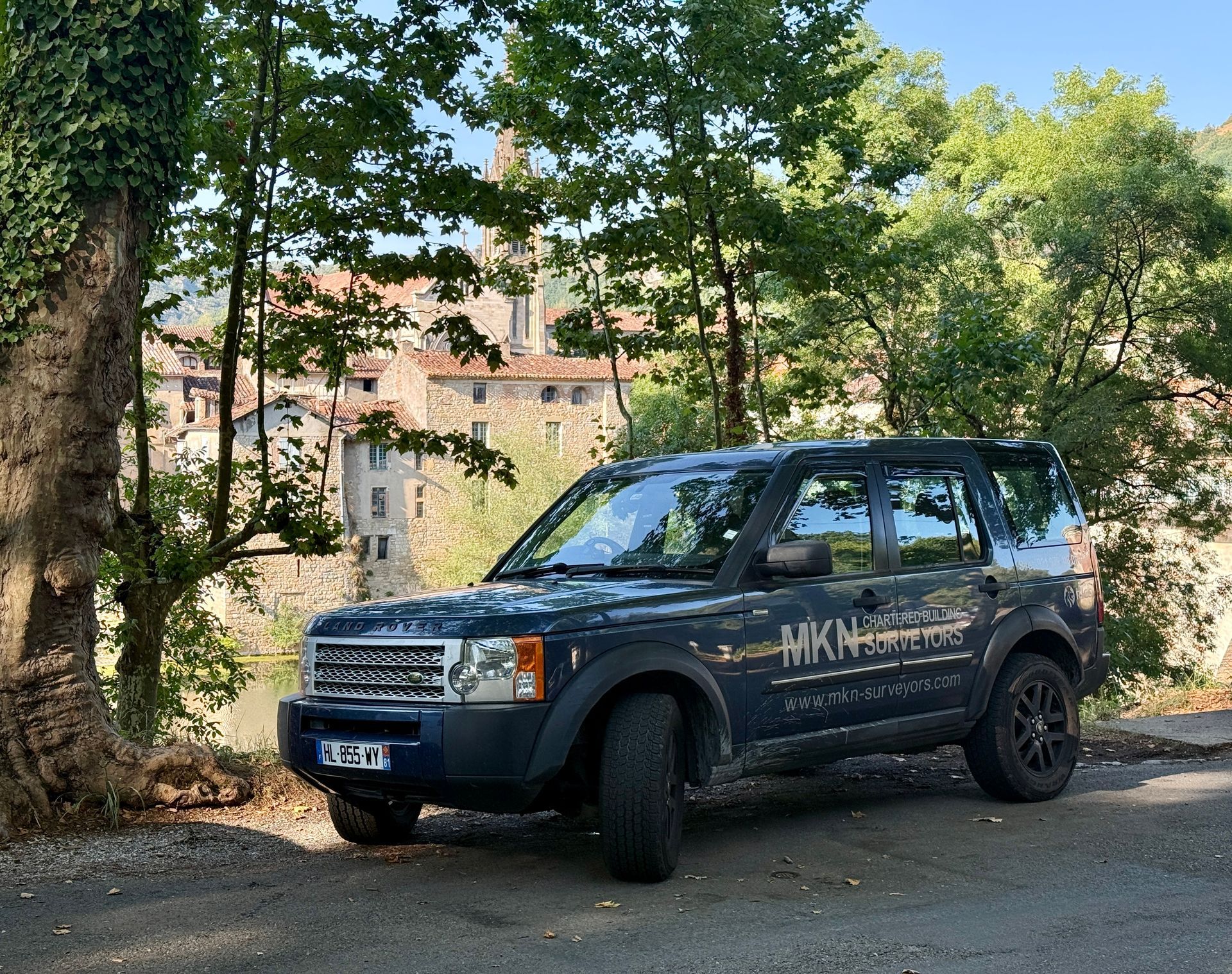
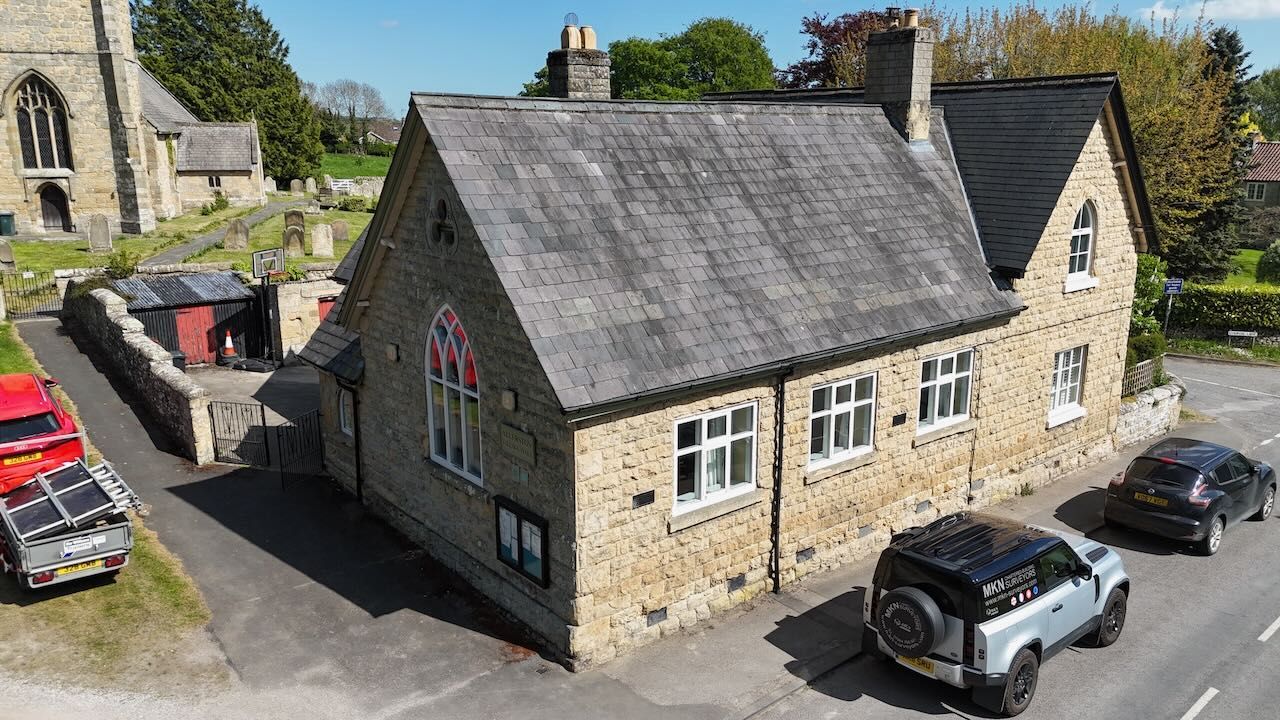
A survey in North Yorkshire may involve an hour's drive each way. A survey in rural France might involve an international flight, collecting a vehicle, several hours driving across the country, overnight accommodation, and then repeating the journey home.
A property in the Alps or the Dordogne can easily occupy two full working days before a single word of the report has been written. Travel is simply part of working across France.
The Buildings Are Usually Much More Complex
Many UK surveys involve properties built within the last fifty years using familiar construction methods.
French properties are often very different.
A single house may include:
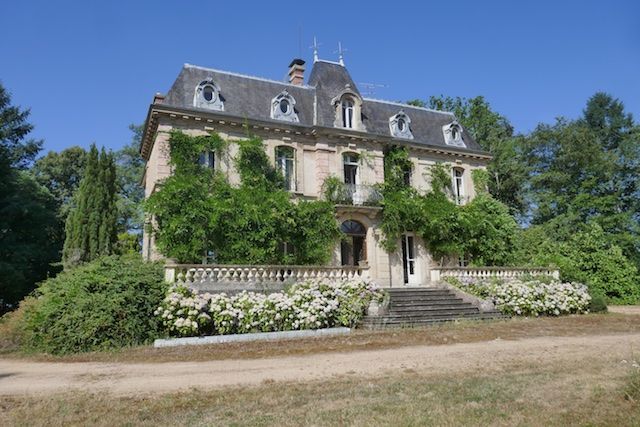
- a seventeenth-century stone farmhouse
- a nineteenth-century barn conversion
- a twentieth-century extension
- a recently converted garage
- vaulted cellars
- a swimming pool
- retaining walls
- a separate gîte
- a septic tank
- several hectares of land
Each element needs inspecting and understood as part of the whole. We're not simply looking for defects. We're working out how the building has evolved over centuries and whether those changes have helped, or harmed it.
Traditional Buildings Need Traditional Knowledge
This is probably the biggest difference. Many of the properties we inspect were never designed to be waterproof in the modern sense. They were designed to breathe.
That's why we spend time looking for things such as:
- cement pointing trapping moisture inside stone walls
- modern gypsum plaster preventing evaporation
- failing lime mortar
- inappropriate roof repairs
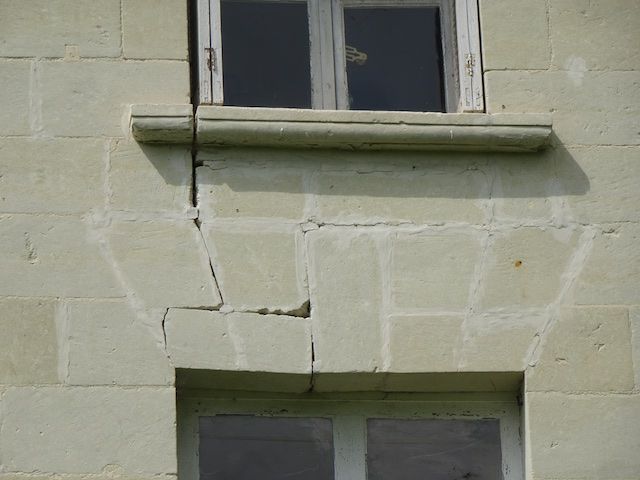
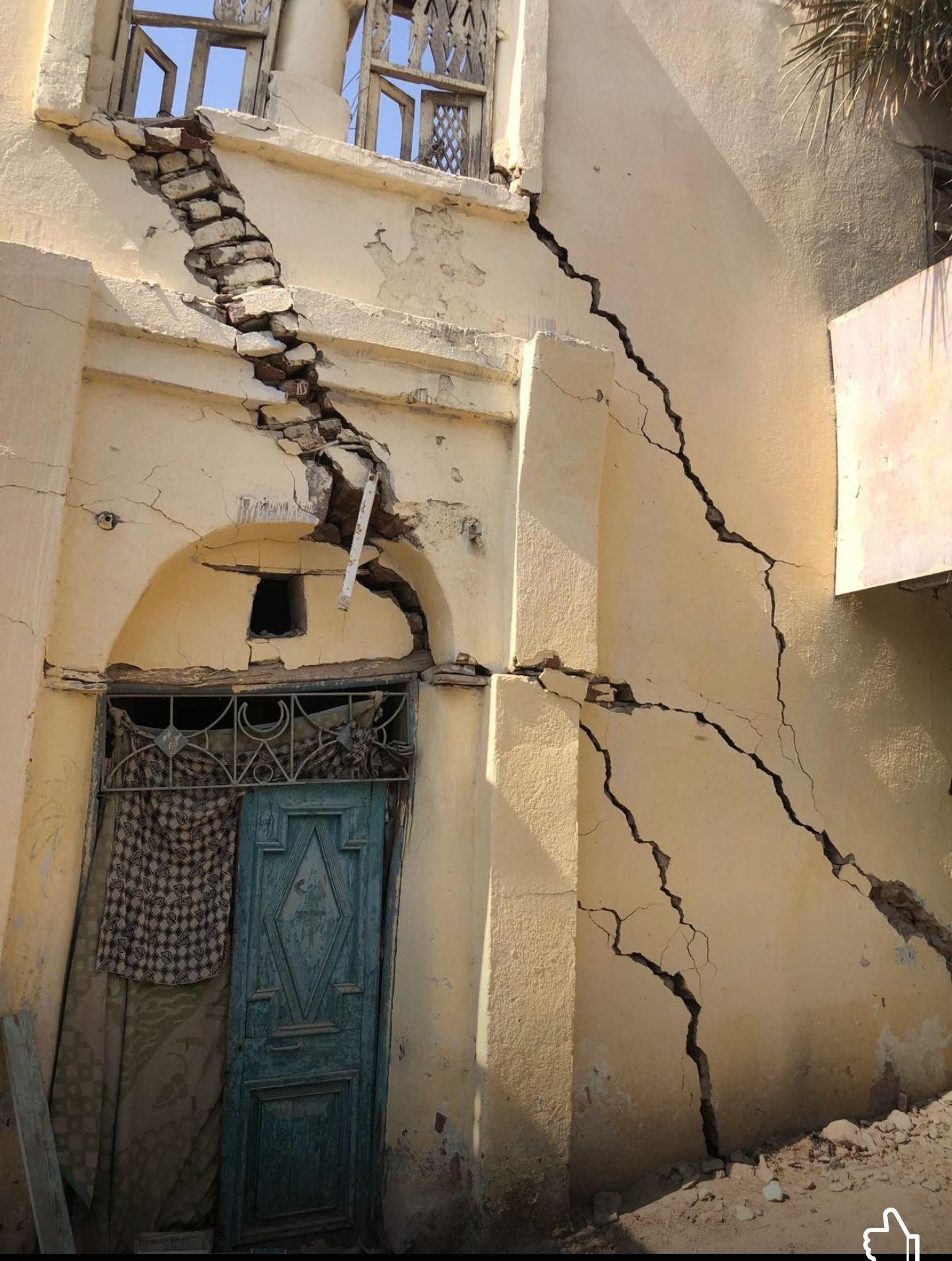
- historic structural movement
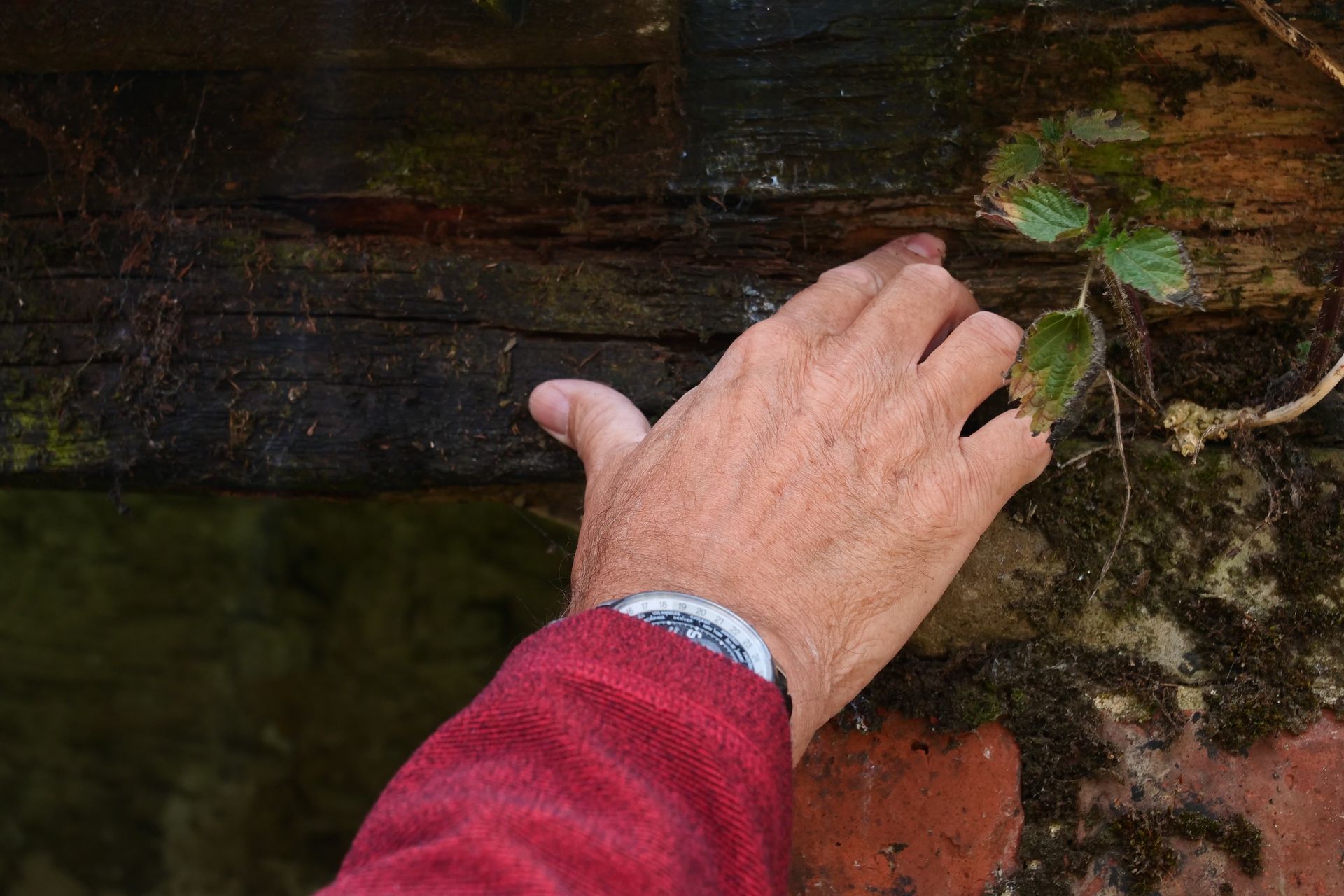
- timber decay hidden beneath apparently sound roofs
Understanding traditional construction isn't something you learn from a checklist. It comes from years of working with historic buildings. As an RICS Certified Historic Building Professional, I've spent much of my career dealing with listed buildings, country estates, châteaux and other heritage properties, both in the UK and France. That experience shapes the advice we give buyers every week.
We Don't Just Describe the Building
Many of our clients are buying in France for the first time. They're not only unfamiliar with the property. They're unfamiliar with the French system. Our reports therefore explain much more than defects.
We also explain subjects such as:
- the French diagnostic reports and what they do (and don't) cover
- septic tank regulations (SPANC)
- traditional French construction methods
- appropriate repair materials
- likely maintenance priorities
- practical implications for future ownership
For many buyers, the survey becomes a guidebook to owning that particular property.
Every Report Is Written in English
That may sound obvious. It isn't.
The technical language has to be accurate. French construction terminology doesn't always translate directly into English. Equally, our reports need to explain French building methods in a way that makes sense to an English-speaking buyer. That takes considerably more time than simply describing defects.
We Are Increasingly Property Consultants Rather Than Just Surveyors
Over the last few years, we've noticed something interesting. Clients aren't simply asking us whether a roof leaks.
They're asking questions like:
"Could this barn become accommodation?"
"Would this château make a viable wedding venue?"
"Is this movement historic or ongoing?"
"Would you buy it?"
"How much should I budget over the next ten years?"
That's moving beyond surveying. It's property consultancy. Increasingly, we're advising buyers, investors, solicitors, architects and owners of historic buildings on everything from valuations and building pathology to renovation strategy and conservation.
The survey is often just the beginning of that conversation.
So Why Does It Cost More?
Because you're not buying two or three hours on site.
You're buying decades of experience.
You're buying specialist knowledge of traditional buildings.
You're buying independent advice.
You're buying time spent researching, inspecting, photographing, analysing and writing.
Most importantly, you're buying the confidence to make one of the biggest financial decisions of your life with your eyes open.
A survey isn't expensive if it helps you avoid buying the wrong property, it becomes one of the cheapest parts of the purchase.
What About Home Inspections in America?
We also receive enquiries from buyers in the United States and Canada, many of whom naturally compare our service with the home inspections they're familiar with back home. It's important to remember that they're different professions.
In many parts of North America, a home inspector provides a visual inspection of the property's condition, identifying defects and maintenance issues. It's an invaluable service and entirely appropriate within the American buying process.
A RICS Building Survey, however, generally goes further. It is a more detailed analysis of the building's construction, condition, likely causes of defects, implications for future ownership and recommendations for repair and maintenance. When that survey is carried out on a traditional French property, it also requires an understanding of historic construction techniques, local building practices and the French property buying process.
Neither approach is inherently better; they're simply designed for different buildings, different legal systems and different client expectations. Many of our overseas clients are purchasing centuries-old French farmhouses, village houses, châteaux or alpine chalets. Those buildings deserve a level of investigation that reflects their age, complexity and value.
Thinking of Buying Property in France?
If you're purchasing a farmhouse, village house, château, ski chalet or renovation project in France, we'd be delighted to help.
Our RICS Level 3 Building Surveys are written in English and combine detailed inspection with practical advice from surveyors who have worked on both sides of the Channel and understand not only how French buildings are constructed, but how English-speaking buyers approach purchasing them.